How often should you sweep your chimney?
Updated
Short answer
Part of Chimney Inspections.
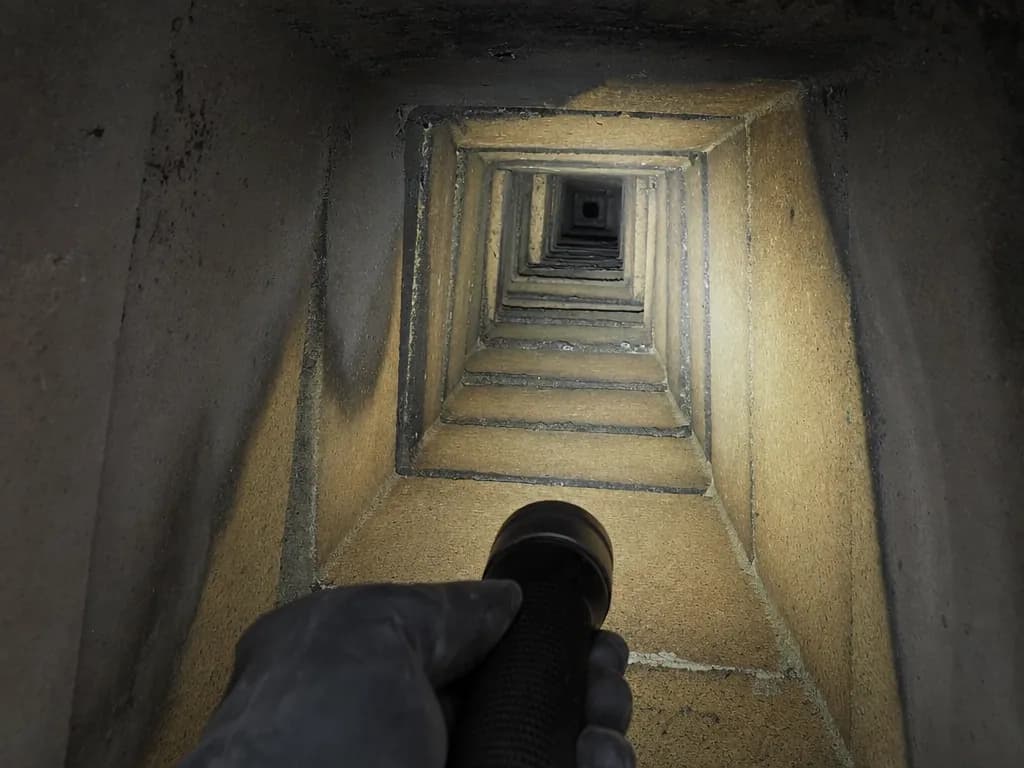
The answer comes from three public sources, and they agree. The yearly visit is an inspection first. Whether the chimney also gets swept that day depends on what the inspector finds. Book it through the chimney inspection service and the sweep, if needed, happens on the same visit.
What the standard says
NFPA 211, the national standard for chimneys, fireplaces and vents
“Chimneys, fireplaces, and vents shall be inspected at least once a year in accordance with the requirements of Section 15.2. ... Cleaning, maintenance, and repairs shall be done if necessary.”
That quote is from the 2016 edition. Section numbers move between editions and the 2024 edition is current, but NFPA's own blog repeats the yearly rule in plain words. The U.S. Fire Administration safety card is blunter: “Have your chimney inspected and cleaned each year by a professional.” The Consumer Product Safety Commission asks for a yearly professional inspection of every fuel-burning system, and its list includes furnaces, water heaters, chimneys, flues and vents.
None of these sources sets a number of fires or a thickness of buildup that triggers a sweep. They set the inspection as the yearly step and leave the cleaning decision to what the inspection finds. That is why a chimney used twice a winter and one burned every weekend both get the same yearly look, and may not get the same cleaning.
Why the yearly visit matters
NFPA counted an average of 44,210 U.S. home fires a year caused by heating equipment in 2016 to 2020, with about 480 civilian deaths a year. The U.S. Fire Administration found that fires confined to chimneys, flues or fuel burners were 77% of residential heating fires in 2017 to 2019. And according to NFPA, via an EPA fact sheet from 2016, the leading factor in home heating fires (30%) was a dirty chimney, meaning creosote buildup. That sheet does not give its data year, so read it as a general finding, not a current count. The signs of a chimney fire are worth knowing even if you sweep on schedule.
The answer by type of chimney
- Wood fireplace: inspect every year. The inspector decides whether it needs sweeping. A fireplace burned all winter has more to clear than one lit a few times.
- Wood stove or insert: inspect every year. Stoves and inserts are used for longer stretches, so they tend to need cleaning more often. See wood stove and insert service.
- Gas fireplace or gas logs: a yearly service. Gas leaves little creosote, but the vent and burner still need a look. The gas fireplace guide covers it.
- Chimney that vents a furnace or water heater: the same yearly inspection. This is the most common case in Rockford, covered below.
- Fireplace you never use: still inspect it before the first fire after a long gap. A chimney that sat unused can hold a bird's nest, a cracked liner or loose brick, and none of it shows from the living room.
Why Rockford is mostly a furnace-flue question
83.5% of Winnebago County homes heat with gas, and only 169 homes in the whole county heat with wood (Census ACS, 2020 to 2024). In Rockford, 22.4% of homes were built before 1940 and 46.5% before 1960. Many of those houses have a masonry chimney that now carries the exhaust of a gas furnace or water heater, not a wood fire. That flue is used every day from the first cold night, so it gets no summer-style rest. The Rockford January average is 21.8 F, and the city has 6,497 heating degree days a year (National Weather Service, 1991 to 2020 normals).
Nicor Gas, the Rockford area gas utility
“Keep your natural gas appliances and equipment maintained and in good working order by having them cleaned and/or inspected for safety once a year by a certified natural gas contractor/HVAC technician.”
The furnace and water heater liner guide explains why those flues need their own attention.
When to schedule it
Sweeping happens from October to March because chimney swifts use chimneys in spring and summer and are protected by federal law. The best-time guide has the dates and the reason. Book before the first heating weeks, not after the first problem.
What it costs
No cost guide publishes a Rockford price, so these are national ranges. Angi prices a sweep at $129 to $381 (Angi, chimney sweep cost, national, updated July 10, 2026), HomeGuide at $150 to $375 (HomeGuide, chimney sweep cost, national, updated February 9, 2026). Angi puts a Level 1 inspection at $160 to $300 (Angi, chimney sweep cost, national, updated July 10, 2026), and notes it is usually done with a cleaning. Every range, with its source, is on the chimney cost page.
Sources: NFPA 211 (2016 edition), Sec. 14.2 annual inspection; NFPA, summary of heating appliance requirements (blog); U.S. Fire Administration, fireplace and wood stove safety card (PDF); CPSC, home heating equipment and carbon monoxide; NFPA, Home Heating Fires (2016-2020 data); U.S. Fire Administration, residential heating fires 2017-2019; EPA Burn Wise, fast facts (2016, citing NFPA); Nicor Gas, safety precautions; National Weather Service, Rockford normals 1991-2020; Angi, chimney sweep cost; HomeGuide, chimney sweep cost; U.S. Census Bureau, ACS 2020-2024 5-year, via Census Reporter
Quick answers
Does a chimney need sweeping every year even if I barely use it?
The standard calls for a yearly inspection whether or not you burned much. The inspection decides if cleaning is needed. A lightly used chimney may only need the look, which costs less than a full sweep. National ranges are on the cost page.
How often should a gas fireplace chimney be cleaned?
Once a year for service and inspection. Nicor Gas advises cleaning or inspecting gas appliances once a year by a certified contractor, and a yellow or orange flame can mean poor combustion or venting.
How often does a wood stove chimney need sweeping?
Inspect it every year. Stoves often run for long stretches through the winter, so the inspector may call for cleaning sooner than for a fireplace. The wood stove service page lists the national price ranges.
What happens if I skip a year?
Nothing may show, which is the problem. Creosote and cracked liners are not visible from the room. The EPA fact sheet citing NFPA names a dirty chimney as the leading factor in home heating fires, so a skipped year leaves that unchecked.
Does a new house need a yearly chimney sweep?
The yearly inspection applies to new chimneys too, because the standard covers all chimneys, fireplaces and vents. A newer chimney is less likely to have deteriorated masonry, but it can still collect deposits or get a nest.
How much does a yearly chimney visit cost in Rockford?
A Rockford price is not published anywhere we found. National ranges for a sweep and a Level 1 inspection, each with its source and date, are on the cost page.
Chimney due for a look?
Tell us what you burn, when the chimney was last swept and anything you have noticed. We reply with a price first.